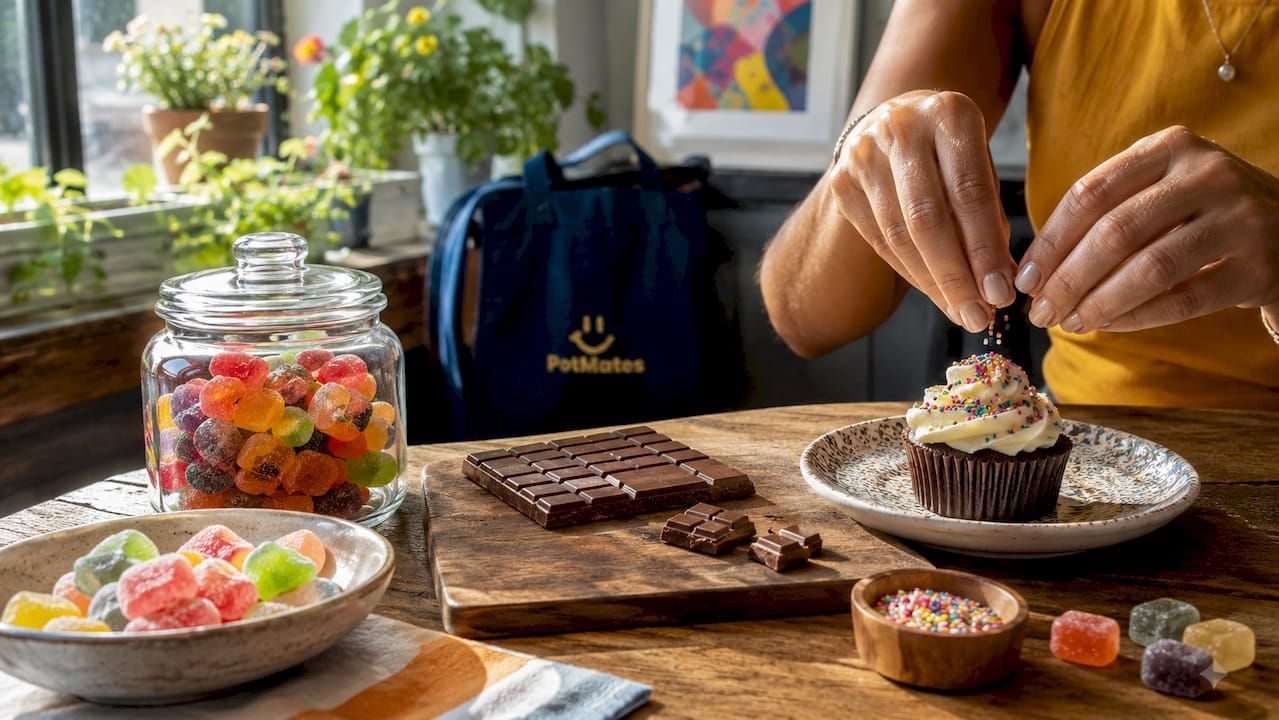
Cannabis Explainer Guide: Everything Beginners Need to Know
Cannabis Explainer Guide: Everything Beginners Need to Know
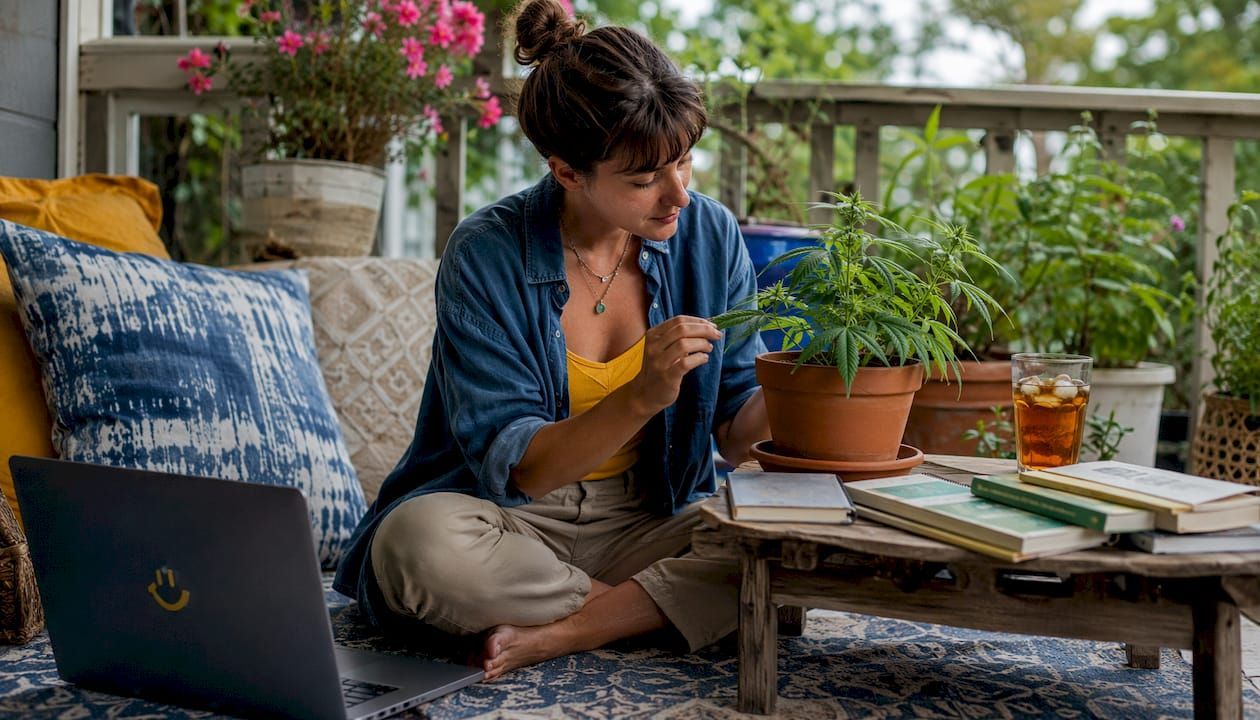
Cannabis is a plant genus that produces over 540 chemical substances, including cannabinoids like THC and CBD that interact with your brain and body in genuinely distinct ways. If you've been curious about cannabis but felt lost in the terminology, this cannabis explainer guide is your starting point. Clear, honest, and grounded in science.
Here's what you need to know right away:
- Cannabis refers to all products derived from the Cannabis sativa plant, including hemp and marijuana.
- Marijuana is a specific term for cannabis products with substantial THC content, the compound responsible for the "high."
- Hemp is cannabis with very low THC (legally defined as under 0.3% in the U.S.) and is federally legal.
- THC (tetrahydrocannabinol) is psychoactive. CBD (cannabidiol) is not, and is associated with therapeutic effects.
- The plant contains over 100 cannabinoids, but THC and CBD are the two you'll encounter most.
The word "cannabis" is the umbrella. Everything else, marijuana, hemp, CBD oil, edibles, falls underneath it.
What the cannabis plant actually looks like and how it's classified
Understanding the plant itself makes everything else click faster. Cannabis grows as a flowering plant, and the parts you'll encounter most as a consumer are the buds, leaves, and trichomes.
- Buds/flowers: The harvested, dried flowers of the female plant. This is what's sold as "flower" at a dispensary and what most people picture when they think of cannabis.
- Leaves: Fan leaves are large and iconic but low in cannabinoids. Sugar leaves, which grow close to the buds, carry more trichomes and are sometimes used in concentrates.
- Trichomes: Tiny, crystal-like hairs covering the buds and surrounding leaves. Cannabinoids and terpenes are made and stored here, which is why frosty-looking flower often signals higher potency.
Hemp vs. marijuana is a legal distinction, not a botanical one. Both are Cannabis sativa , but hemp contains 0.3% THC or less by dry weight under federal law. Marijuana exceeds that threshold and remains federally controlled.
Then there are the three strain categories you'll see everywhere:
- Sativa: Traditionally associated with energizing, uplifting effects and higher THC relative to CBD.
- Indica: Generally linked to relaxation, body effects, and higher CBD content.
- Hybrid: A cross of sativa and indica genetics, bred for specific cannabinoid ratios or effects.
Here's the honest caveat: these labels are chemically imprecise. The indica/sativa distinction describes plant structure more than it predicts your experience. Cannabinoid ratios and terpene profiles are far more reliable guides to what a product will actually feel like. You can read more about choosing a cannabis strain with that chemistry-first lens.
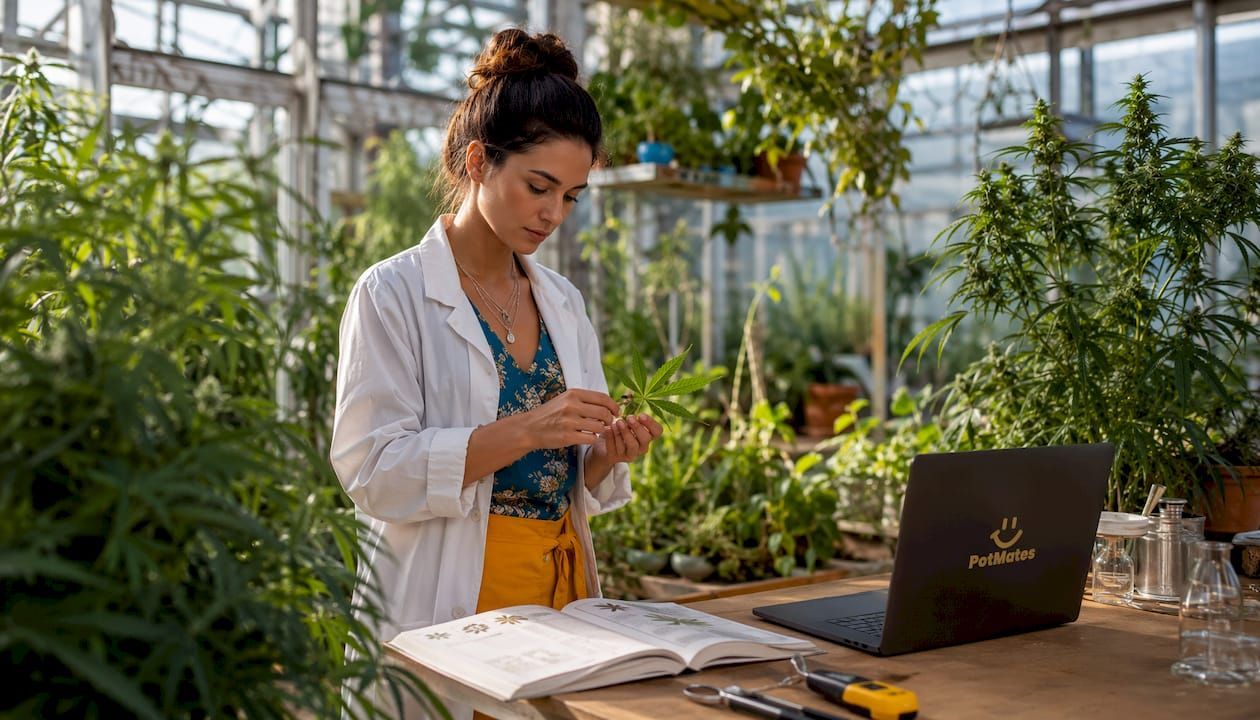
What cannabinoids and terpenes actually do in your body
Cannabinoids are the active chemical compounds in cannabis that interact with your body's endocannabinoid system, a network of receptors in the brain and throughout the body that regulates mood, pain, appetite, and memory. Think of cannabinoids as keys and your receptors as locks. Different keys open different doors.
The major players:
- THC (delta-9-tetrahydrocannabinol): The primary psychoactive compound. It binds to CB1 receptors in the brain, producing euphoria, altered perception, and relaxation. Higher concentrations mean stronger effects.
- CBD (cannabidiol): Non-psychoactive. Research suggests it may reduce anxiety, inflammation, and seizure activity. There's also evidence that CBD can block or reduce some of THC's psychoactive effects when present in equal or higher amounts.
- CBN (cannabinol): A mildly psychoactive compound that forms as THC ages. Often associated with sedation.
- CBG (cannabigerol): A non-psychoactive precursor to THC and CBD, studied for potential anti-inflammatory and neuroprotective properties.
Terpenes are aromatic compounds stored in the same trichomes as cannabinoids. They give cannabis its distinctive smell, whether that's citrusy, piney, earthy, or skunky. But terpenes do more than smell good. They interact with cannabinoids to shape the overall experience, a phenomenon researchers call the entourage effect : the idea that the full chemical profile of a plant produces richer, more nuanced effects than any single compound alone. Myrcene, for example, is a terpene linked to relaxation. Limonene tends toward mood elevation. Caryophyllene is the only terpene known to directly bind to cannabinoid receptors. You can dig deeper into terpenes in Oregon cannabis strains if you want to get specific about what you're buying.
Pro Tip: If you're new, look for products with a balanced THC:CBD ratio (1:1 or even CBD-dominant). The CBD acts as a buffer, making the experience more manageable and less likely to tip into anxiety.
How cannabis affects your body and mind
Cannabis produces a wide range of effects, and what you feel depends on the product's cannabinoid profile, your method of consumption, your body chemistry, and your experience level. That variability is exactly why beginners benefit from starting slow.
Common recreational and therapeutic uses:
- Relaxation and stress relief
- Mood elevation and social ease
- Pain and inflammation reduction
- Nausea relief (especially during chemotherapy)
- Sleep support
- Appetite stimulation
Psychoactive effects you might experience:
- Euphoria and heightened sensory perception
- Altered sense of time
- Increased creativity or introspection
- Relaxation ranging from mild to deeply sedating
Potential side effects, especially at higher THC doses:
- Dry mouth and red eyes
- Increased heart rate
- Temporary anxiety, paranoia, or panic
- Impaired short-term memory and reaction time
- Nausea or vomiting in some cases
- Muscle twitches or tremors
The psychoactive intensity is temporary. Even an uncomfortable experience passes, usually within a few hours for inhaled cannabis and longer for edibles. Knowing that in advance makes a real difference.
What is the legal status of cannabis in the United States?
Cannabis law in the U.S. is a patchwork, and it matters for your safety and your purchases.
At the federal level , cannabis (marijuana) remains a Schedule I controlled substance under the Controlled Substances Act. Hemp, however, was federally legalized under the 2018 Farm Bill, provided it contains 0.3% THC or less by dry weight.
At the state level , the picture is very different:
- Recreational cannabis is legal in a growing number of states, including Oregon, California, Colorado, and others.
- Medical cannabis programs exist in the majority of U.S. states, each with its own qualifying conditions and regulations.
- Some states still prohibit cannabis entirely, so always check your state's current laws before purchasing.
FDA-approved cannabinoid medications do exist, but they are not the same as buying cannabis flower at a dispensary:
- Epidiolex: A purified CBD drug approved by the FDA for treating seizures associated with Lennox-Gastaut syndrome, Dravet syndrome, and tuberous sclerosis complex.
- Dronabinol (Marinol, Syndros) and Nabilone (Cesamet): Synthetic THC-like drugs approved for chemotherapy-induced nausea and AIDS-related appetite loss.
The cannabis plant itself has no FDA approval. Products sold at licensed dispensaries are regulated at the state level, not federally. Buying from a licensed dispensary is the single most important safety step you can take, because licensed products are tested for potency, pesticides, and contaminants. The illicit market offers none of those guarantees.
Medical conditions where cannabis or cannabinoids have shown benefits
The research on medical cannabis is real but still evolving. Overstating what we know does beginners a disservice, so here's an honest summary of where the evidence stands.
Conditions with meaningful research support:
- Epilepsy: Epidiolex (CBD) is FDA-approved for two rare, severe forms. This is the strongest evidence base in the field.
- Chemotherapy-induced nausea and vomiting: Both FDA-approved synthetic cannabinoids and cannabis itself have shown benefit here.
- Chronic pain: Cannabis or cannabinoids may help with certain types of chronic pain, though research quality varies.
- Multiple sclerosis spasticity: Some evidence supports cannabinoids for muscle stiffness and spasms in MS patients.
- HIV/AIDS-related weight loss: Appetite stimulation is a recognized use, supported by approved medications.
Areas under active investigation:
- Anxiety and PTSD (CBD shows promise, but high-THC products can worsen anxiety)
- Sleep disorders
- Inflammatory conditions
- Neuropathic pain
CBD specifically is being studied for its anti-inflammatory and anxiolytic properties. If you're curious about cannabis for anxiety, the science is nuanced: low-dose CBD may help, while high-THC products can sometimes make anxiety worse. Always talk to a healthcare provider before using cannabis to manage a medical condition.
Practical tips for using cannabis safely as a beginner
The single most common beginner mistake is taking too much, too fast. Here's how to avoid it.
Dosing and product selection:
- Start with a low-THC product (under 10% THC for flower, or 2.5–5mg THC for edibles).
- Balanced THC:CBD ratios help prevent overwhelming effects for first-timers.
- For a beginner's guide to cannabis consumption methods, inhalation gives you the fastest feedback loop: you feel effects within minutes and can stop easily.
- Edibles metabolize THC differently, converting it to a more potent compound in the liver. Effects can take 30 minutes to 2 hours to appear and last much longer. Beginners frequently overconsume because they don't feel anything right away.
Set, setting, and company:
- Choose a calm, familiar environment for your first experience.
- Having a sober, trusted friend present adds a meaningful safety layer.
- Avoid mixing cannabis with alcohol, especially early on.
If you feel uncomfortable:
- Remind yourself the feeling is temporary.
- Hydration and calm breathing help significantly.
- CBD can counteract excessive THC effects. Keep a CBD product nearby as a buffer.
- Chewing black peppercorns (which contain the terpene caryophyllene) is an informal but widely reported remedy for cannabis-induced anxiety.
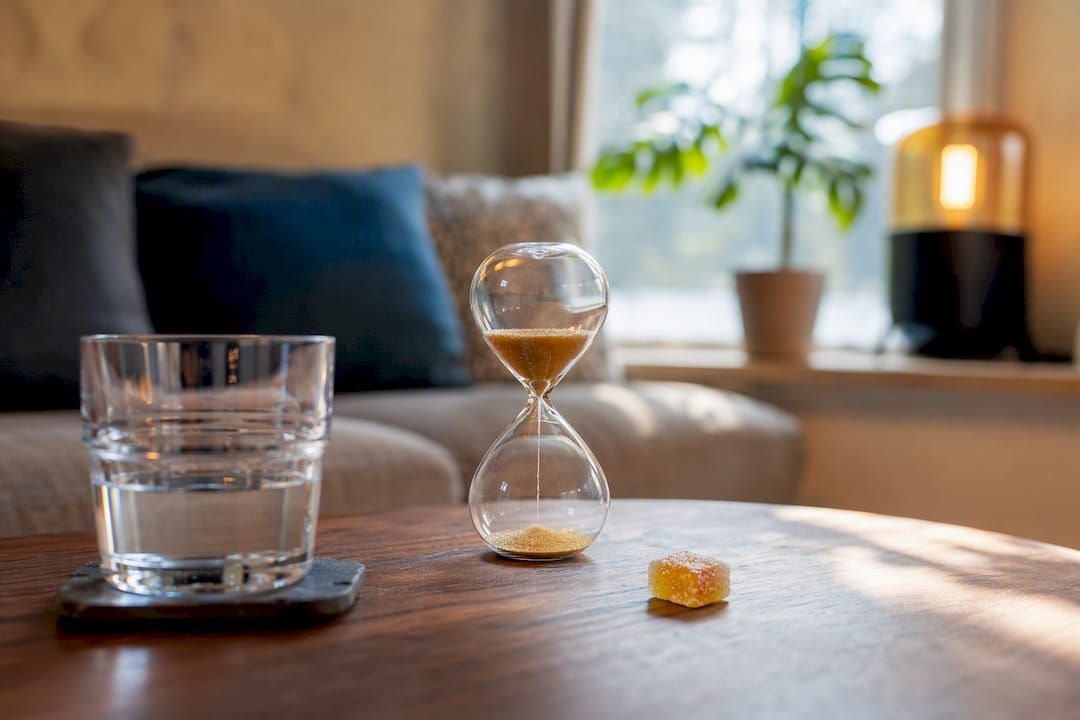
Pro Tip: Wait at least two hours after an edible dose before considering a second. The "I don't feel anything" window is exactly when most beginners overconsume. Patience is the most important skill in your first few sessions.
You can also check out what first-time users should know for a deeper dive into first-session preparation.
A brief history of cannabis in the United States
Cannabis has been part of American life far longer than most people realize. Hemp was cultivated by colonial farmers, including George Washington, primarily for fiber and rope. By the late 1800s, cannabis extracts appeared in pharmacies across the country as patent medicines for pain and anxiety.
The shift came in the early 20th century. The Marihuana Tax Act of 1937 effectively criminalized cannabis at the federal level, driven by a combination of racial politics, pharmaceutical industry lobbying, and sensationalist media coverage. The 1970 Controlled Substances Act placed marijuana in Schedule I, the most restrictive category, alongside heroin, a classification that persists federally today.
The modern legalization movement began gaining traction in the 1990s. California passed the first medical cannabis law in 1996. Colorado and Washington became the first states to legalize recreational use in 2012. Since then, legalization has spread steadily, reshaping public perception and generating a regulated industry that now spans cultivation, retail, delivery, and cannabis-infused products across dozens of states.
Cultural attitudes have shifted dramatically alongside the law. Cannabis is no longer a fringe topic. It's discussed openly in wellness communities, prescribed by physicians, and sold in licensed storefronts and delivery services across much of the country.
CBD products vs. THC products: what's actually different?
CBD and THC come from the same plant, but they produce very different experiences. Understanding that difference is foundational for any beginner choosing products.
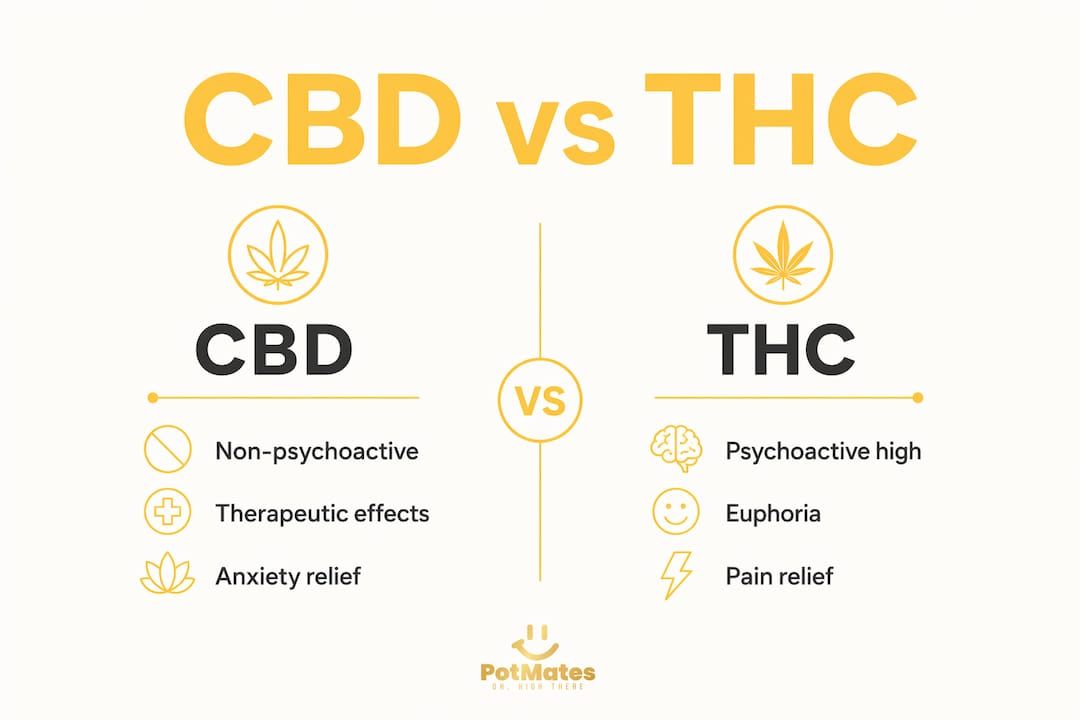
THC products include flower, vapes, most edibles, and concentrates sold at recreational and medical dispensaries. They produce psychoactive effects and are subject to state cannabis regulations. THC products are not federally legal when derived from marijuana.
CBD products are typically derived from hemp (under 0.3% THC) and are widely available online, in pharmacies, and in health stores. They do not produce a high. Common CBD product formats include:
- CBD oils and tinctures: Taken under the tongue for relatively fast absorption.
- CBD capsules and gummies: Convenient, pre-dosed, and discreet.
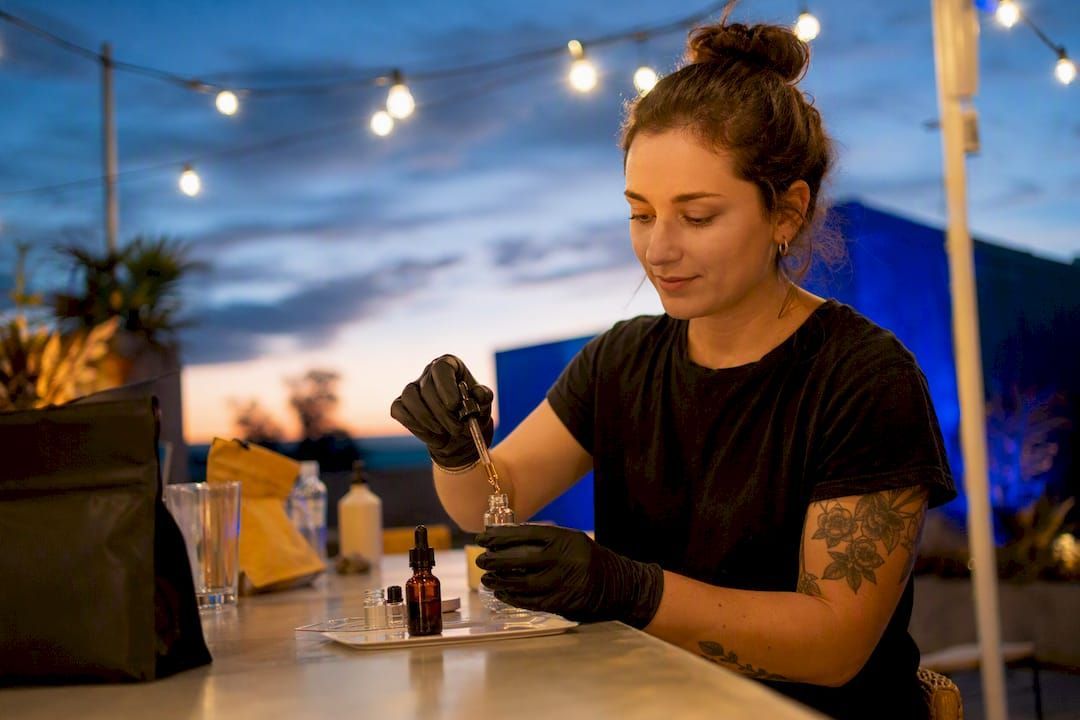
- CBD topicals: Creams and balms applied to the skin for localized relief without any systemic psychoactive effect. Cannabis topicals are a popular entry point for people who want physical relief without any head effects.
- CBD flower: Hemp flower that looks and smells like marijuana but contains negligible THC.
The key practical difference: if you want therapeutic effects without intoxication, CBD products are your starting point. If you're open to psychoactive effects and live in a state where it's legal, THC products offer a broader range of experiences. For a detailed breakdown, how CBD differs from cannabis covers the chemistry and practical implications side by side. A beginner's guide to CBD vs. THC is also worth reading if you want to compare your options before buying anything.
How cannabis affects mental health
This is one of the most important topics for beginners, and one of the most misunderstood. Cannabis's relationship with mental health is genuinely complex: it can help some people and harm others, often depending on the same variables.
Potential mental health benefits:
- Reduced anxiety at low doses, particularly with CBD-dominant or balanced products.
- Mood elevation and temporary relief from depressive symptoms for some users.
- Stress reduction and relaxation, especially with indica-leaning or high-myrcene products.
Potential mental health risks:
- High-THC products can trigger or worsen anxiety and paranoia, particularly in people predisposed to anxiety disorders.
- Regular heavy use is associated with increased risk of depression and motivational issues in some studies.
- Cannabis use in adolescents is linked to higher risk of psychosis and long-term cognitive effects. The developing brain is significantly more vulnerable.
- People with a personal or family history of psychosis or schizophrenia are generally advised to avoid high-THC cannabis.
The National Institute on Drug Abuse funds ongoing research into cannabis's effects on mental health, including its impact on the developing brain. The current scientific consensus is that cannabis is not universally harmful or universally safe. Context, dose, frequency, and individual biology all matter. If you have a mental health history, talking to a healthcare provider before using cannabis is genuinely worth doing, not just a legal disclaimer.
How to store and handle cannabis safely
Proper storage protects your product's potency, prevents accidental access, and keeps your cannabis fresh longer.
The core storage principles:
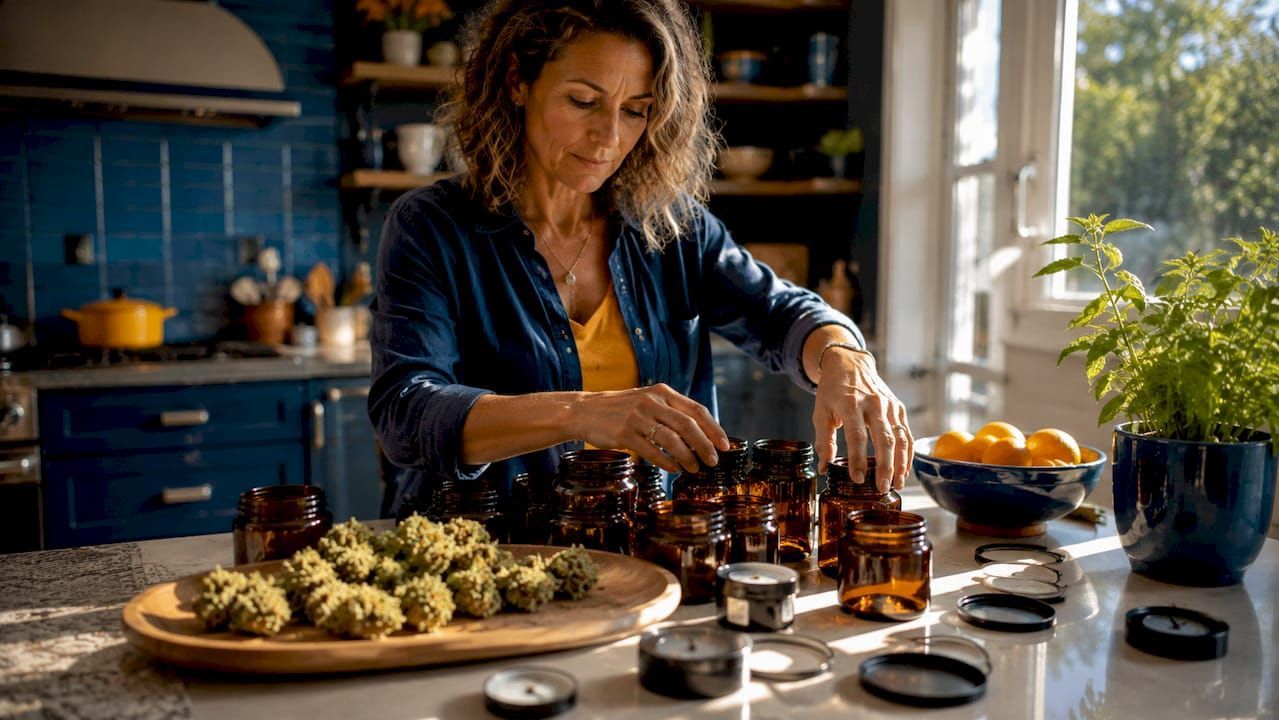
- Keep it cool and dark. Heat and UV light degrade THC and terpenes. A drawer, cabinet, or dedicated storage container away from windows works well.
- Control humidity. Too dry and your flower becomes harsh and loses terpenes. Too moist and mold becomes a risk. Aim for 55–62% relative humidity. Humidity control packs (like Boveda) are inexpensive and effective.
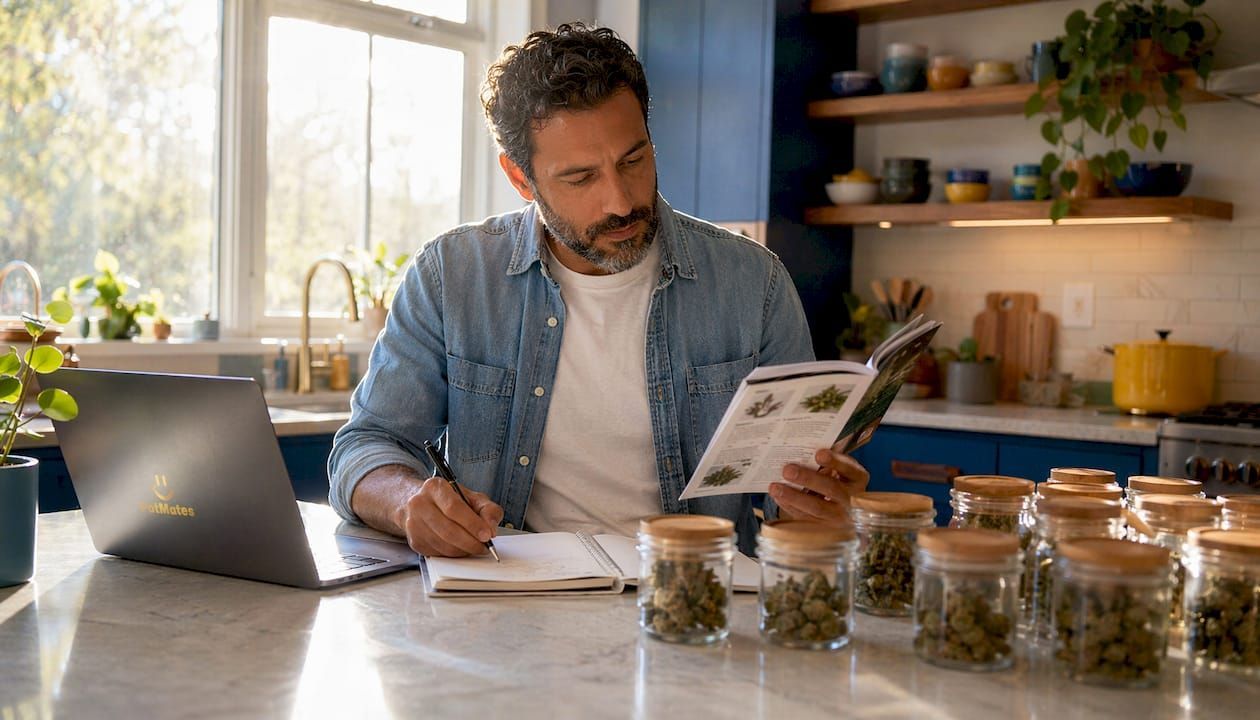
- Use airtight containers. Glass mason jars are the gold standard for flower. Avoid plastic bags for long-term storage, as they create static that pulls trichomes off the buds.
- Keep it away from children and pets. This is non-negotiable. Cannabis, especially edibles, can be dangerous for children and animals. Use child-resistant containers and store them out of reach.
- Don't mix strains in the same container. Flavors and aromas cross-contaminate over time.
For edibles and tinctures, follow the manufacturer's storage instructions. Many edibles require refrigeration after opening. Cannabis tinctures and oils typically store well in a cool, dark place and have a longer shelf life than flower when sealed properly.
A quick note on handling: wash your hands after handling cannabis flower, especially if you're going to touch your face or eyes. The resin is sticky and can cause irritation.
Ready to explore? Potmatespdx delivers premium cannabis to your door in Portland
If you've made it through this guide, you're already better prepared than most first-time buyers walking into a dispensary. The next step is finding products that actually match what you've learned about yourself: your preferred effects, your comfort level with THC, and the consumption method that fits your lifestyle.
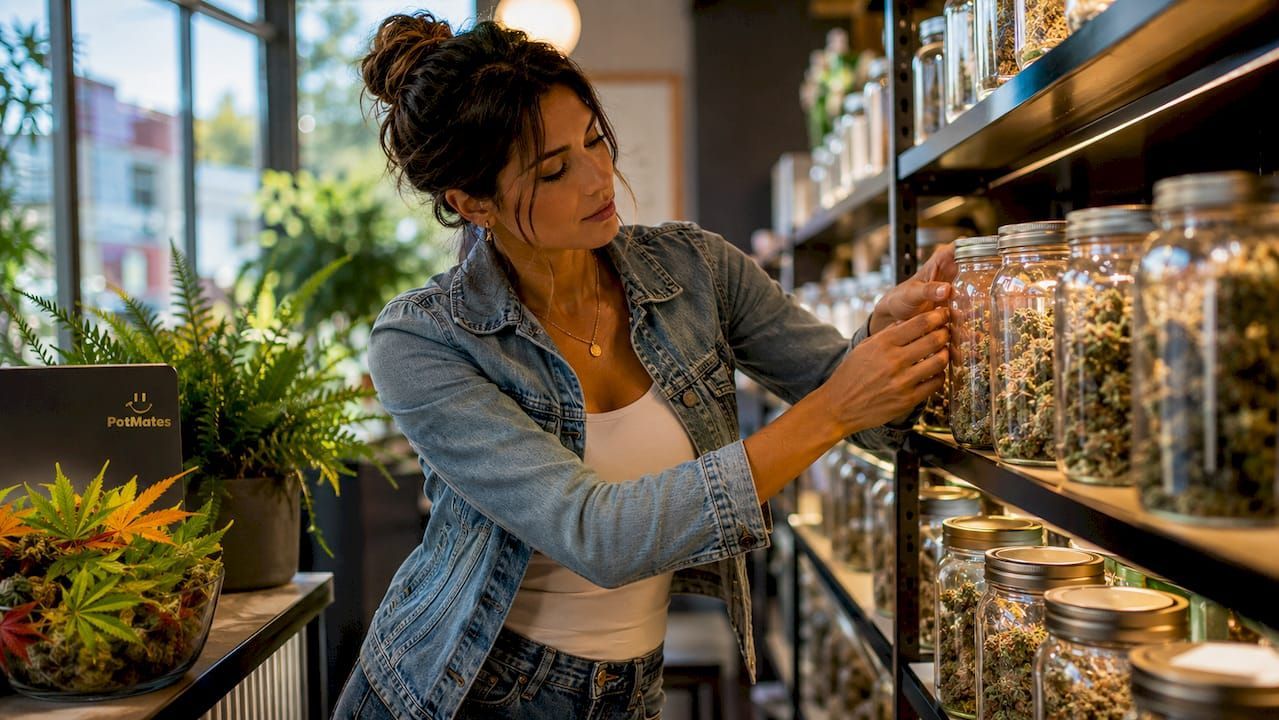
Potmatespdx is Portland's delivery-only dispensary, built specifically for people who want top-shelf cannabis without the guesswork. Every product in the menu comes from trusted Oregon growers, and the selection spans flowers, cannabis edibles, concentrates, vapes, and infused lifestyle products. Not a smoker? The best cannabis products for non-smokers guide is a great place to start.
Not sure what to order? The virtual budtender walks you through product recommendations based on your goals, experience level, and preferences. It's like having a knowledgeable friend on call. Delivery is discreet, fast, and scheduled around your day. Browse the full menu and place your first order at Potmatespdx cannabis delivery.
FAQ
What is a cannabis explainer guide?
A cannabis explainer guide is an educational resource that covers the basics of the cannabis plant, its active compounds, effects, legal status, and safe use. It's designed to give beginners a clear, accurate foundation before they purchase or consume any cannabis product.
What is the difference between cannabis and marijuana?
Cannabis refers to all products from the Cannabis sativa plant, while marijuana specifically describes cannabis with substantial THC content. Hemp is cannabis with 0.3% THC or less and is federally legal in the U.S.
Is cannabis legal in the United States?
Federally, marijuana remains a Schedule I controlled substance, but hemp is legal. At the state level, recreational and medical cannabis is legal in many states. Always check your specific state's laws and buy from a licensed dispensary for safety and quality assurance.
How should a beginner use cannabis for the first time?
Start with a low-THC or balanced THC:CBD product, choose a calm environment, and have a sober friend nearby. For edibles, wait at least two hours before taking more, since effects are delayed and stronger than inhaled cannabis.
What is the difference between CBD and THC products?
THC is psychoactive and produces a high; CBD is not psychoactive and is associated with therapeutic effects like anxiety reduction and pain relief. CBD products derived from hemp are federally legal and widely available, while THC products are regulated at the state level.
Key Takeaways
Cannabis is a chemically complex plant with over 540 substances, and understanding the difference between THC and CBD, how strains are classified, and how to dose safely is the foundation every beginner needs before their first purchase.
| Point | Details |
|---|---|
| Cannabis vs. marijuana | Cannabis is the plant genus; marijuana refers to high-THC cannabis; hemp is legally under 0.3% THC. |
| THC and CBD roles | THC produces psychoactive effects; CBD is non-psychoactive and may buffer THC's intensity. |
| Strain labels are imprecise | Indica, sativa, and hybrid labels reflect plant structure more than effects; cannabinoid and terpene profiles predict experience better. |
| Beginner dosing rule | Start with low-THC or balanced THC:CBD products; wait two hours after edibles before considering more. |
| Potmatespdx for beginners | Potmatespdx delivers curated, lab-tested Oregon cannabis with a virtual budtender to guide first-time buyers in Portland. |