Craft Cannabis vs. Commercial: What Actually Differs

Craft Cannabis vs. Commercial: What Actually Differs

Craft cannabis is flower grown in small batches with hands-on care, usually including slow drying, careful curing and often hand trimming. Commercial cannabis is grown at scale with automation, built for consistency and steady supply. Neither term has an official legal definition, so the label alone tells you little. The details on the package, and how the flower smells and burns, tell you more.

Potmatespdx
Explore Portland Cannabis Flower
Browse PotMates' curated cannabis selection, including premium strains from trusted Oregon growers, through its online menu.
Browse the menu

TL;DR

  • Craft usually means small batches, close attention to each plant, and slower post-harvest handling. Commercial means high volume, standardized workflows and uniform results.
  • There are no concrete rules that certify cannabis as "craft," and scale alone does not decide quality.
  • Hand trimming is gentler on trichomes. Machine trimming is faster and cheaper. Both show up in good flower.
  • In Oregon, oversupply has pushed prices down, so premium flower is often within reach. Check harvest date and THC and CBD figures, not just the buzzwords.

What "craft" actually means

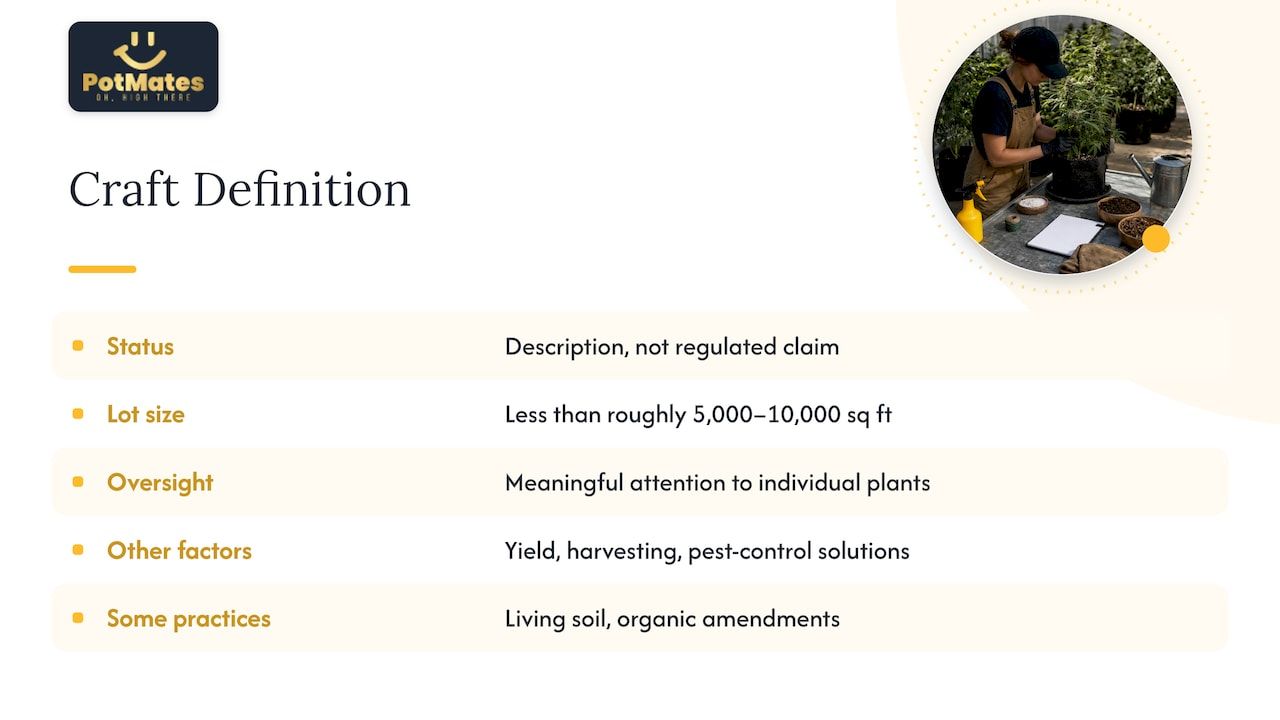
Ask ten growers and you get ten answers. The cannabis trade press has noted that no concrete rules dictate whether a product can be deemed or certified as craft. Unlike "organic" on a food label, it is a description, not a regulated claim.

Size is the usual starting point. Industry observers often associate craft grows with less than roughly 5,000 to 10,000 square feet. But the same reporting stresses that footprint is not the whole story. Craft is about whether the lead grower can give meaningful attention to individual plants. A small operation can still be non-craft, and a larger one can keep craft qualities if people maintain detailed oversight.

The National Cannabis Industry Association adds that defining craft involves lot size, total yield, harvesting techniques and pest-control solutions, not just how much comes off the farm. Some small-batch growers also lean on living soil and organic amendments.

A useful working definition: craft is a set of choices (small lots, patient handling, tight batch separation), not a size cutoff.

How commercial cultivation works

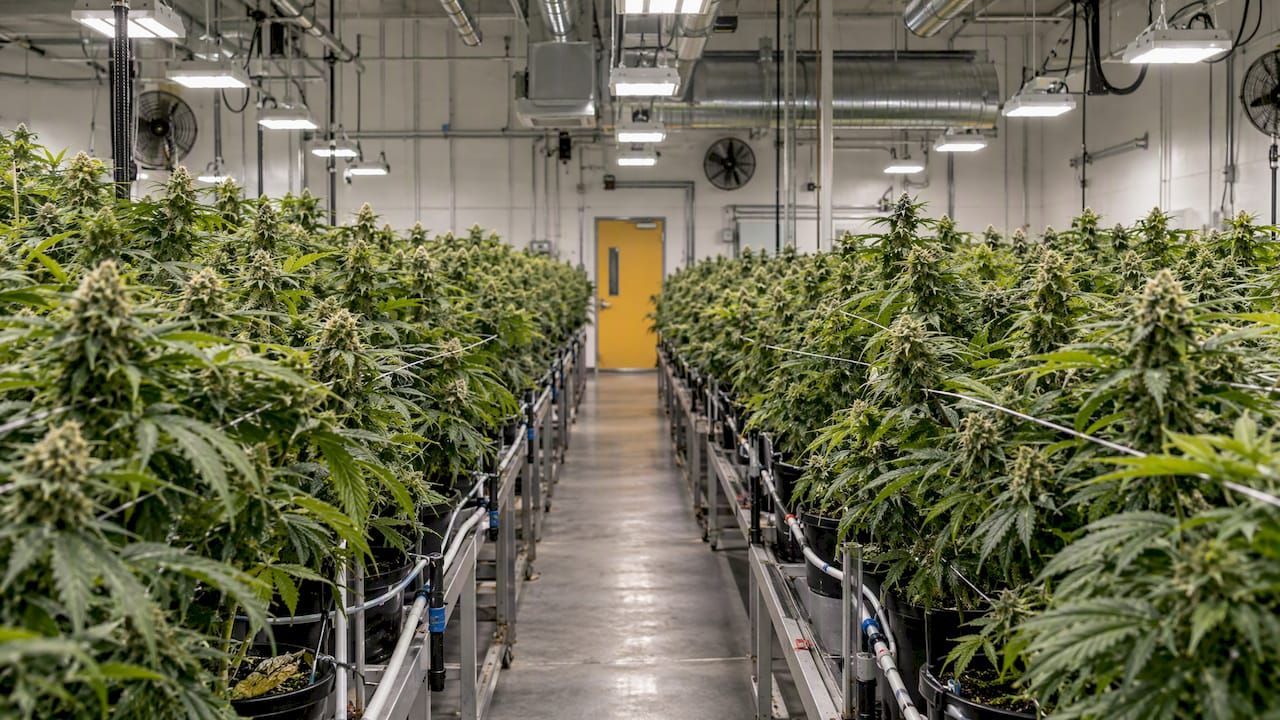
Commercial cannabis gets an unfair rap. A modern large operation is a high-tech setup using lighting, fertigation, HVAC and data collection to hit quality and consistency while staying lean. Workflows are standardized, and irrigation, harvesting and post-harvest steps are often automated for uniformity across big facilities.

The payoff is predictability. You buy the same strain twice and it looks and performs about the same. Large producers can and do make quality cannabis.

The challenge is that quality gets harder to hold as volume climbs. The same trade coverage points out that very large facilities, around 50,000 square feet, can struggle to match the quality of small, tightly controlled grows.

Where the two really differ: drying, curing and trimming

Most of the difference you can smell happens after harvest.

Drying and curing

Growers who call their flower craft put heavy weight on post-harvest handling. Careful drying, curing, storage and batch separation help preserve terpenes and THC, and growers avoid reintroducing wet material into drying product because it can hurt flavor and aroma. One grower in that reporting said waiting 10 days before packaging gave a nicely cured product.

There is also a practical side: drying and curing a small amount is simply easier than managing a huge one. Curing science is still evolving too. One researcher argues that vapor pressure, not just the familiar 60°F/60% RH rule, may be the better lens for protecting trichomes.

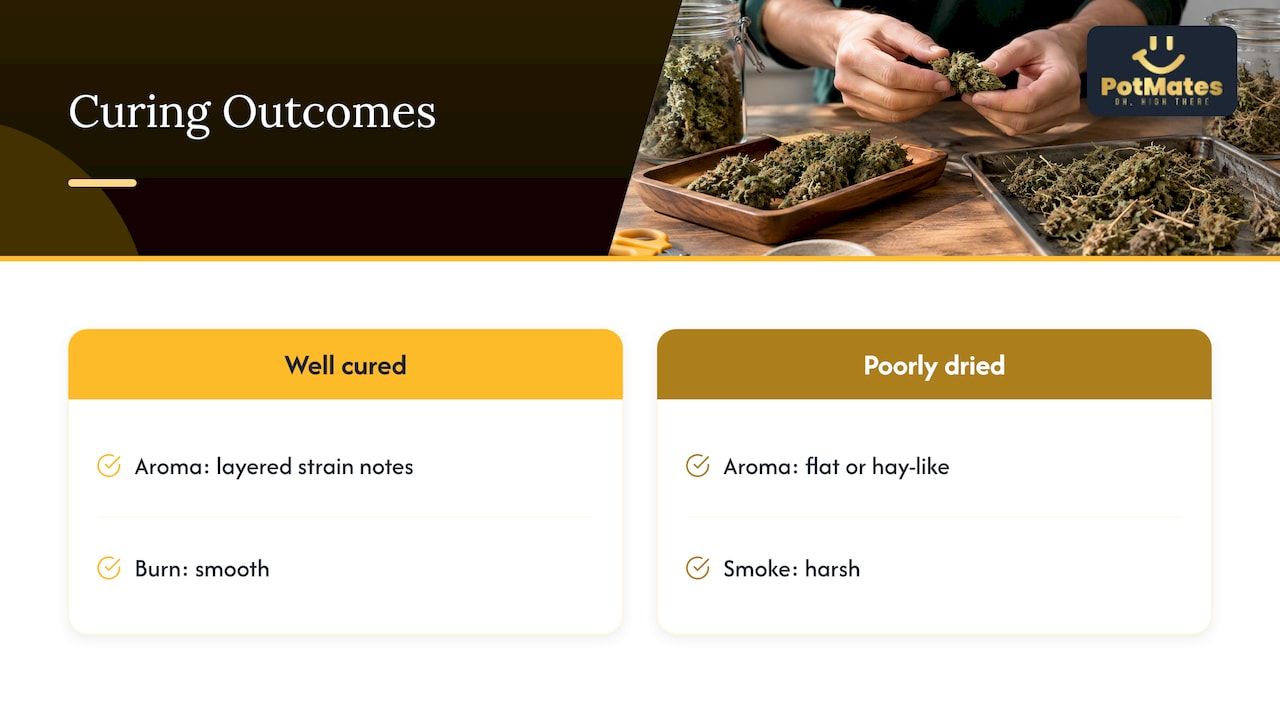
What you notice as a buyer: a well-cured jar smells layered (citrus peel, fresh pine, candy-sweet, whatever the strain is built for) and burns smooth. Poorly dried flower smells flat or hay-like and gives harsh smoke.

Hand trimmed vs. machine trimmed

Trimming is the other big split, and it is where most of the "craft" talk lands.

  • Hand trimming is more precise and gentler. It generally preserves more trichomes and the flower's natural shape. The cost is labor: one person trims roughly 1 pound in an eight-hour shift.
  • Machine trimming is built for throughput. A trained operator can process about 10 to 15 pounds per hour. Machines run from $1,000 to about $50,000, and users lose around an ounce per pound (roughly 7%) even when the operator is paying attention.

Growers who favor craft methods believe hand trimming better expresses the plant's structure and that machines can damage trichomes. Still, it is not either/or in practice: a 2021 survey found that 83% of operators hand trim and 47% machine trim, which means many do both.

So a good machine trim from a careful grower can beat a rushed hand trim. Judge the bud in front of you: frosty, intact trichomes, tidy but not scalped, no excess leaf.

Consistency, freshness and price

Here is the honest trade-off, in plain terms.

  • Selection: craft growers tend to run more unusual cultivars in small lots. Commercial lines run fewer, bigger crops.
  • Consistency: commercial wins on uniform results across runs. Craft smaller batches allow more hands-on care and batch control, but batches can vary more.
  • Testing: both can meet the same testing rules. The differences are production method, workflow and handling, not whether the product passed.
  • Freshness: small lots often move quickly, but freshness really comes down to harvest date and storage. Our guide to storing cannabis for maximum freshness helps once it is home.

What it costs in Oregon

Craft used to mean a clear price premium. Oregon changed that picture. The state's regulator reports a significant oversupply, with 2024 harvest reaching 5,735,796.24 pounds wet weight, and a median retail price for usable marijuana of $3.75 per gram, the lowest on record. Nationally, bulk flower averaged about $1,025 per pound in early 2025.

For you, that means well-grown flower is competitively priced, and a higher price tag is not proof of quality. Oregon licenses producers by indoor or outdoor growing and canopy size limits, and the regulator does not expect new producer or retailer licenses for many years. The growers on the shelf are an established group competing hard on quality.

How to pick well, whatever the label says

A "craft" sticker is a starting point. Before you buy:

  1. Check the label. Oregon labels can list THC and CBD concentrations and harvest dates. A recent harvest date beats a vague promise.
  2. Look at the lab data. Our take on choosing indoor or sun-grown flower by COA shows why the numbers beyond THC matter.
  3. Trust your nose. Loud, layered aroma is a quick quality signal. Flat or grassy is not.
  4. Inspect the bud. Intact trichomes, an even trim and a springy (not brittle) feel.
  5. Ask who grew it. Growers proud of their methods usually say so.

New to reading flower? Start with what cannabis flower is, then use our flower selection workflow to narrow choices.

Our perspective

We curate for people who care how their flower smells, burns and feels, and we source from trusted Oregon growers who hold to strict quality standards. Whether a jar is called craft or commercial matters less to us than what is in it: fresh harvest, careful curing, a trim that protects the flower, and lab numbers you can read.

Flavor is a shortcut to quality. If a jar is loud and candy-like or sharp with fresh pine, somebody paid attention after harvest. That is what we look for, and it is why we built our delivery-only menu around premium, top-shelf selections rather than shelf space.

Our AI Budtenders help you narrow the menu by what you want from the evening, so you are choosing on the evidence in front of you, not on a buzzword.

Hammond

Get premium flower delivered in Portland

We are a Portland delivery-only dispensary, so you can browse the menu, apply discounts and schedule discreet delivery around your day. Start with our flower selection and see what is in stock from Oregon growers, or try pre-rolls if you want to sample before committing to an eighth.

START DELIVERY HERE: browse the PotMates menu and have it brought to your door.

FAQ

What is considered craft cannabis?

There is no official standard, so craft is a description of method. It generally means small batches, close attention to individual plants, and careful drying and curing. Many observers use a footprint under about 5,000 to 10,000 square feet as a rough guide, but attention and intention matter more than size.

Is hand-trimmed cannabis better than machine-trimmed?

Hand trimming is gentler and tends to preserve more trichomes and the bud's natural shape, which is why craft growers favor it. Machines are far faster, and a careful operator can still deliver excellent flower. Judge the finished bud for frost, shape and aroma.

Does craft cannabis cost more?

It often has, because small lots take more labor. In Oregon, chronic oversupply has pushed the median retail price for usable marijuana down to $3.75 per gram in 2024, so a high price is not a guarantee of quality. Compare harvest dates and lab results instead.

Can commercial cannabis be good quality?

Yes. Large producers can make quality cannabis, and both craft and commercial products can meet the same testing rules. The main differences are production method, workflow priorities and handling practices, with commercial leaning toward consistency and availability.

Sources

Recommended

The PotMates blog

Keep reading

November 22, 2026
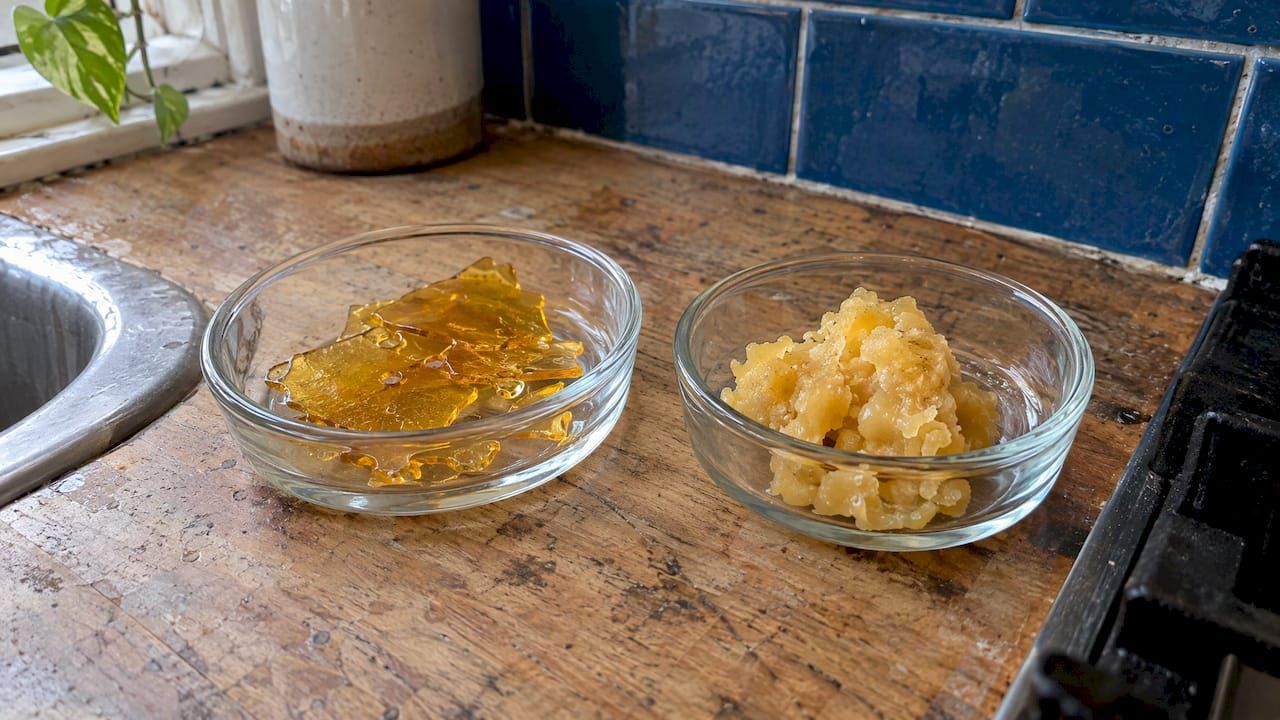
Shatter vs wax explained: how each is made, how they look, taste and hit, and how to choose between them, with Oregon testing rules and safe-use basics.
November 15, 2026
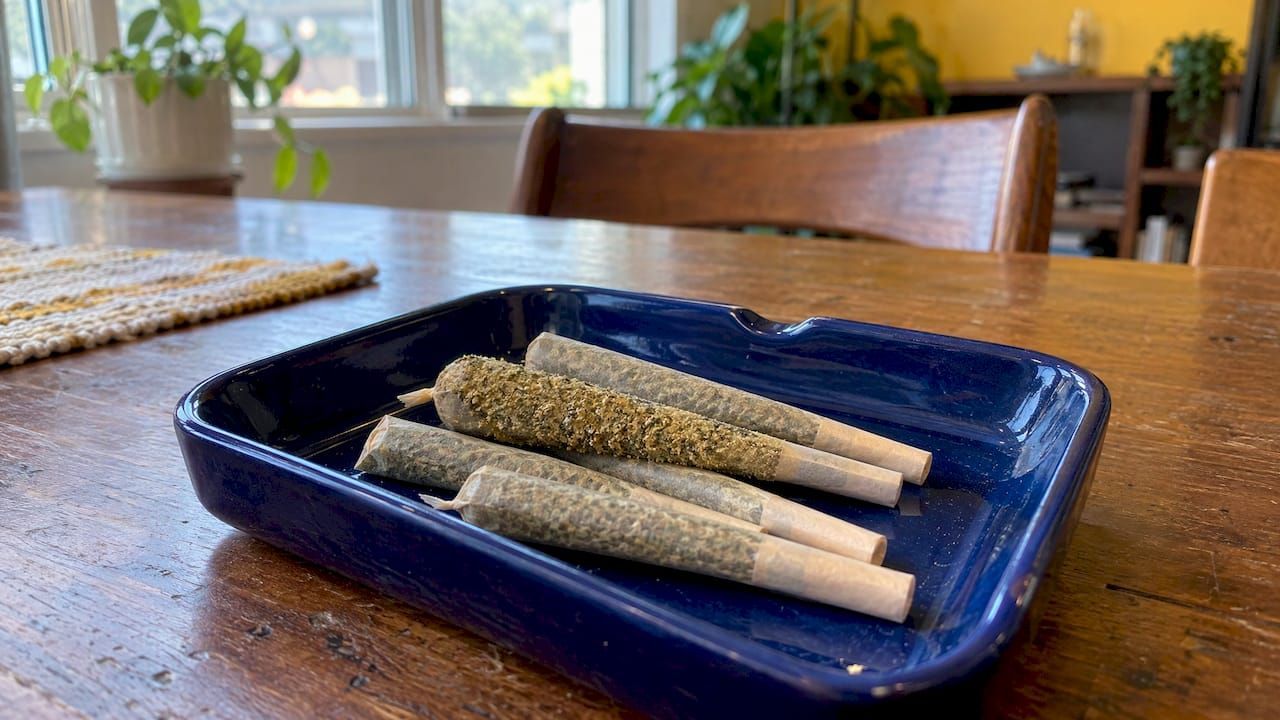
What infused pre rolls are, how they differ from regular joints, what the label tells you and how to enjoy them responsibly in Portland, Oregon.
November 8, 2026
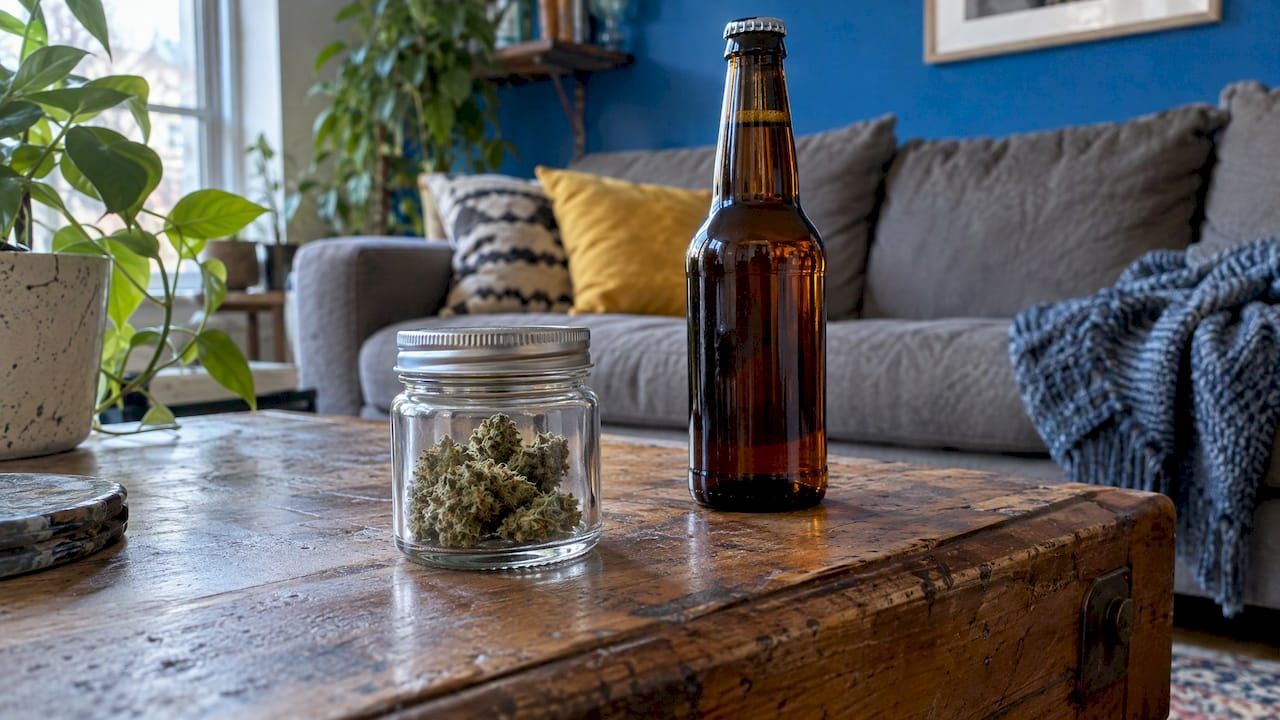
What happens when you mix cannabis and alcohol, whether to drink or smoke first, how edibles change the timing, and the warning signs to know in 2026.
October 25, 2026
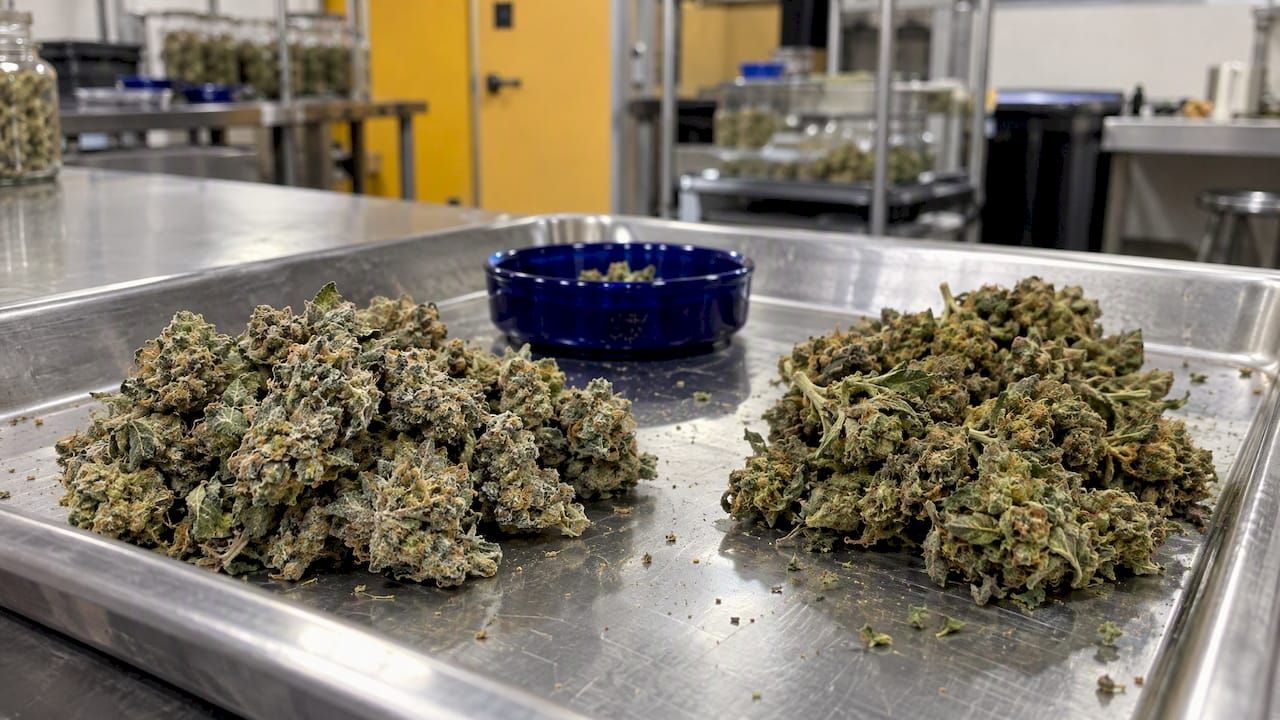
Top shelf vs mids, explained: what the labels mean, what actually separates the tiers, and how to judge any jar of flower by aroma, freshness and lab data.
October 16, 2026
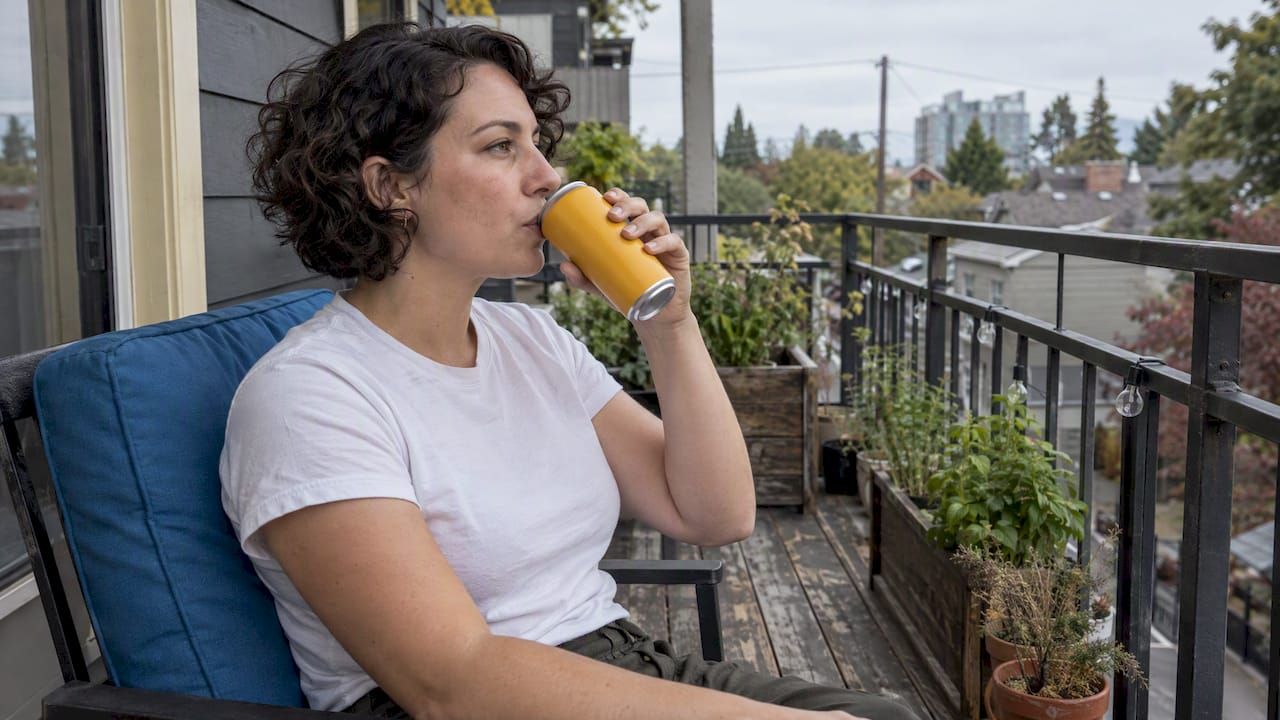
Learn how to dose THC drinks cautiously: start with 1–2.5 mg if you're especially cautious, read the label, wait 1–2 hours, and avoid redosing too soon.
October 9, 2026
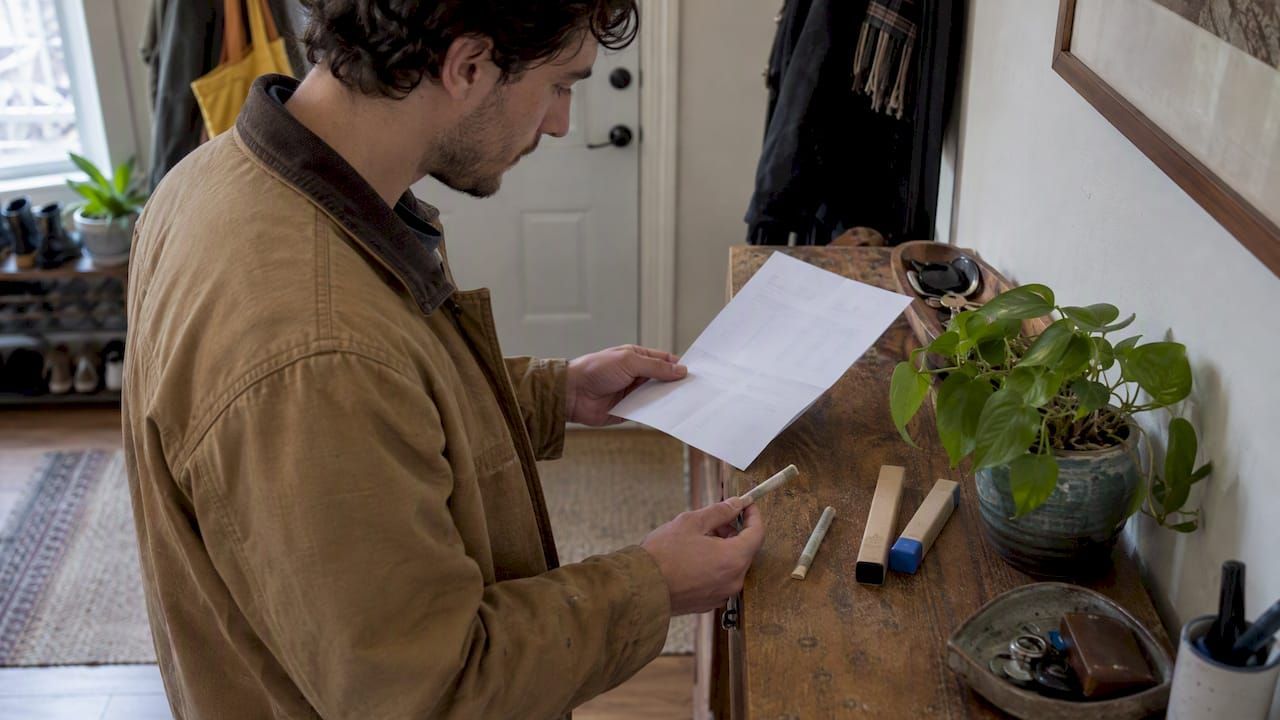
Compare infused pre rolls with regular pre rolls for strength, burn, flavor, and price. Check THC labels and lab results before choosing a product.
October 2, 2026
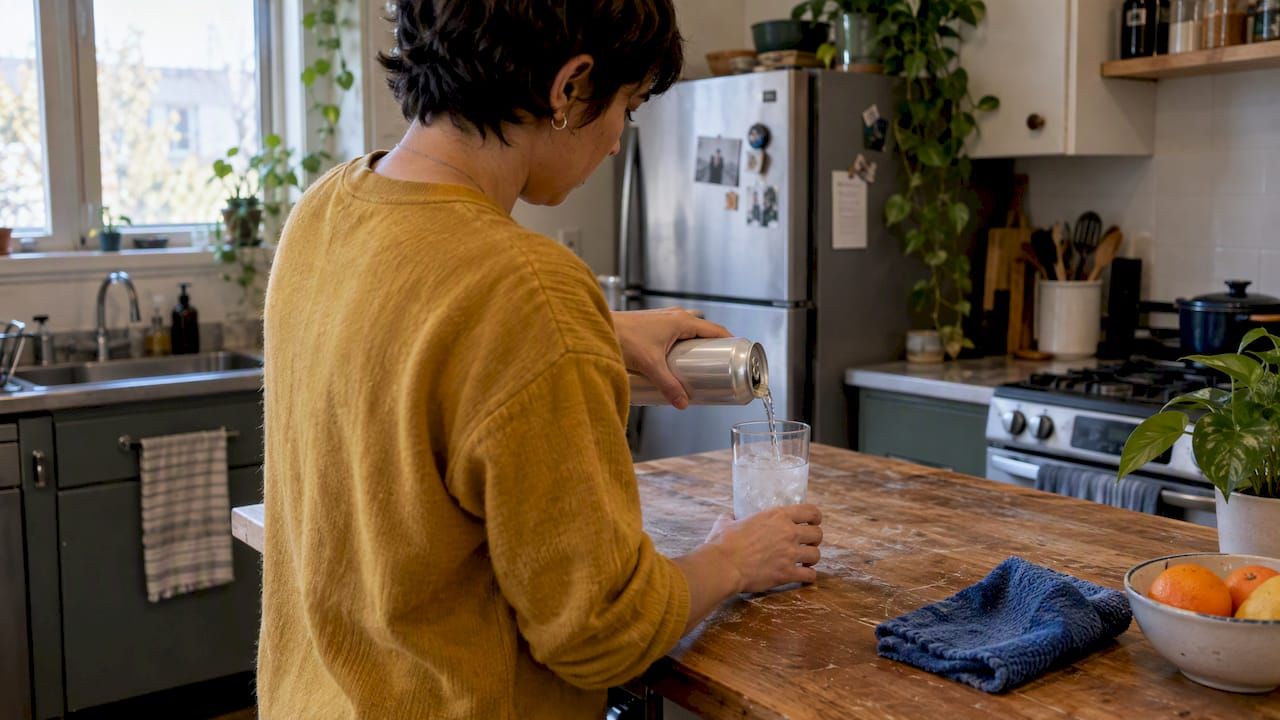
Start THC drinks safely: begin at 2–5 mg, sip slowly, wait 30–60 minutes, and always check labels and COAs to avoid overconsumption.
September 25, 2026
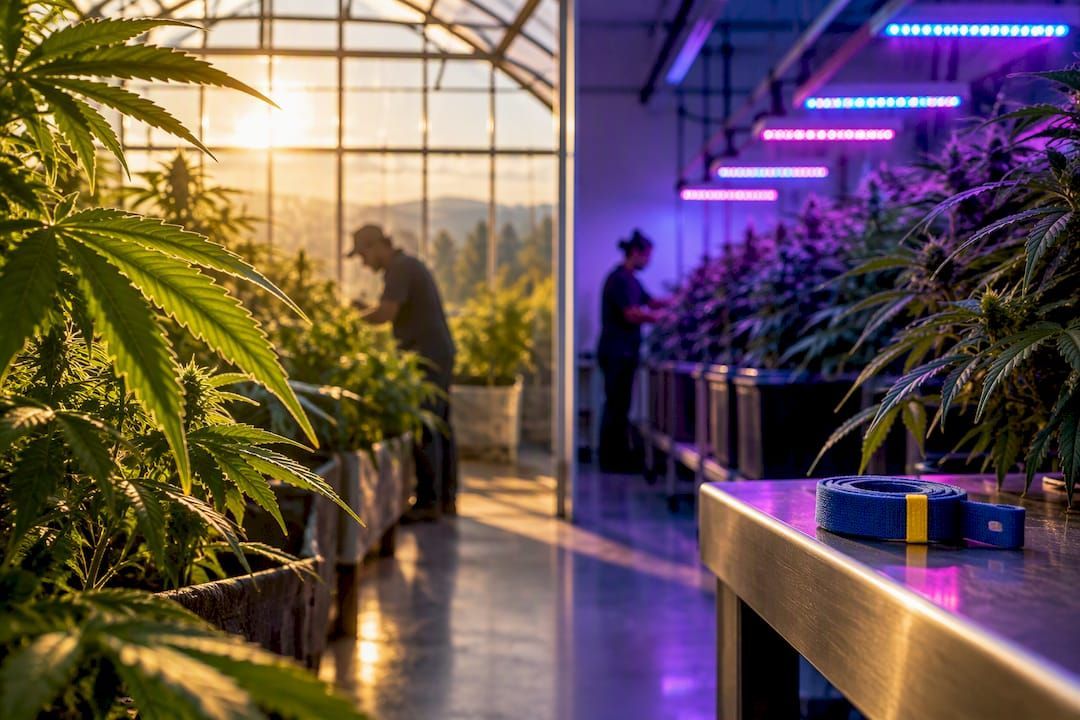
Decide between indoor and sun grown cannabis using COAs and terpene panels. Match flower to your priorities: potency, aroma, or sustainability.
September 18, 2026
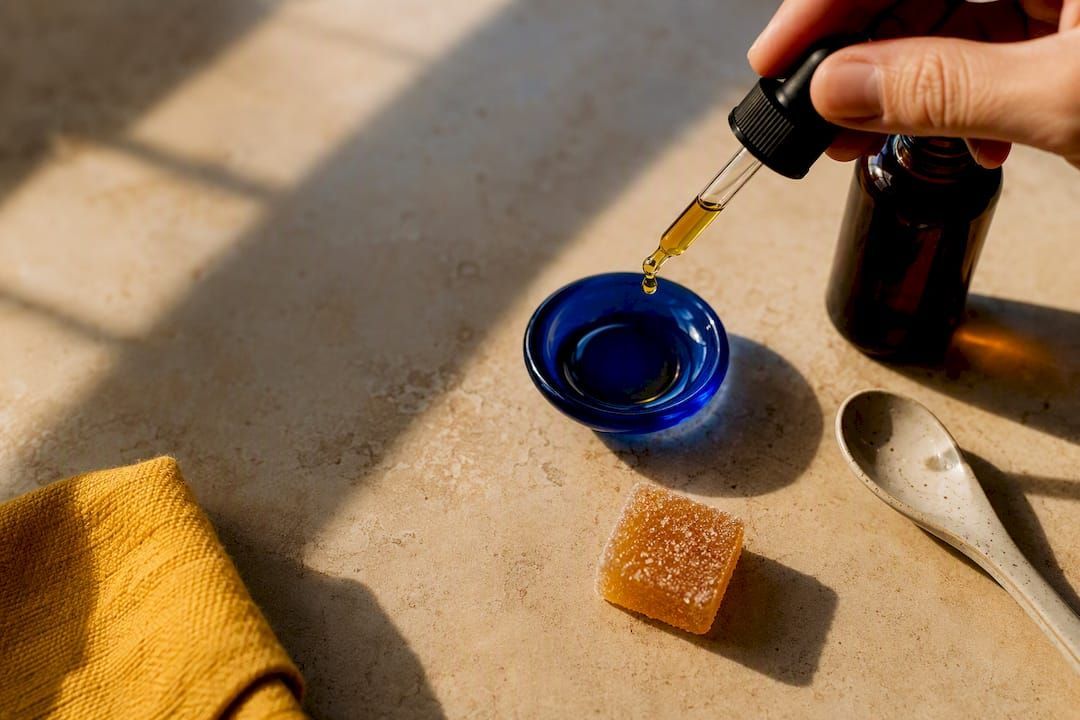
Choose the right format with exact onset windows, 2.5–5 mg starter doses, microdosing tips, and a simple, safe dosing plan you can apply tonight.
September 17, 2026
Which cannabis delivery payments comply with card network rules? Learn why ACH, cashless ATM, prepay matter, and how prepay speeds dispatch.

Show More
A PotMates bag with yellow smiley tissue paper in it, handed from one person to another

We love handing out smiles.

Order now and it is typically at your door in 90 minutes or less. Or pick a time that suits you. We deliver every day, 11am to 8pm.

Portland, OR